Resources
From keeping your dog safe to finding support in your community, our resource library is here to help you and your best friend thrive.
Build & DIY Resources
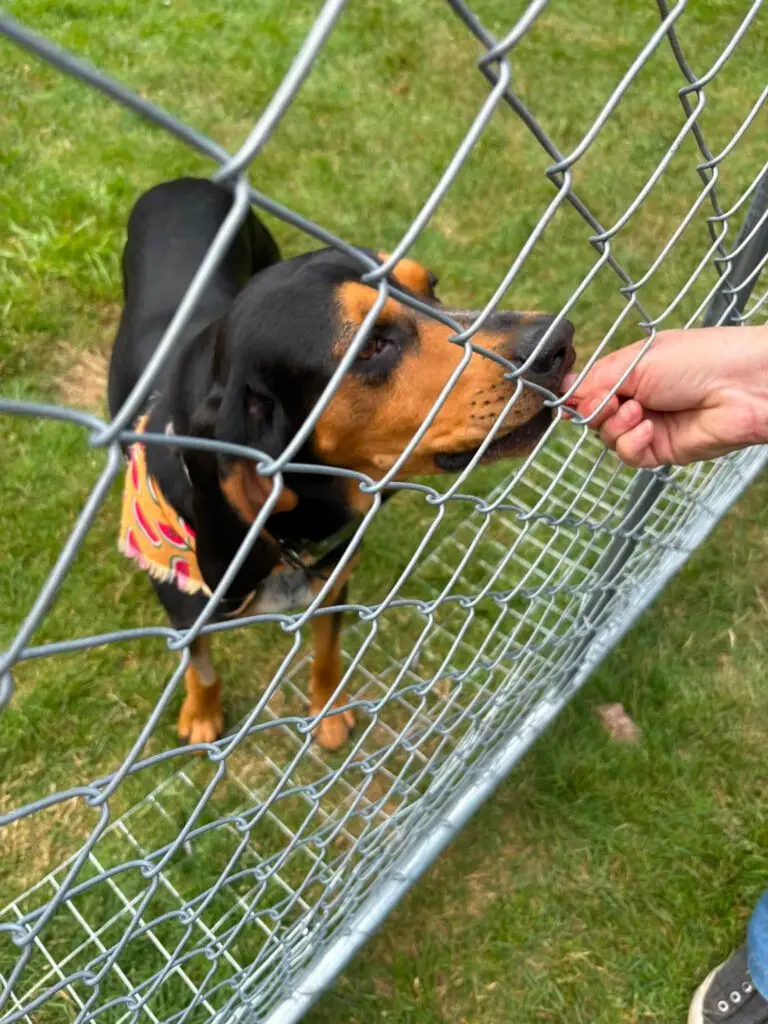
How to Build a Panel Fence to Unchain a Dog
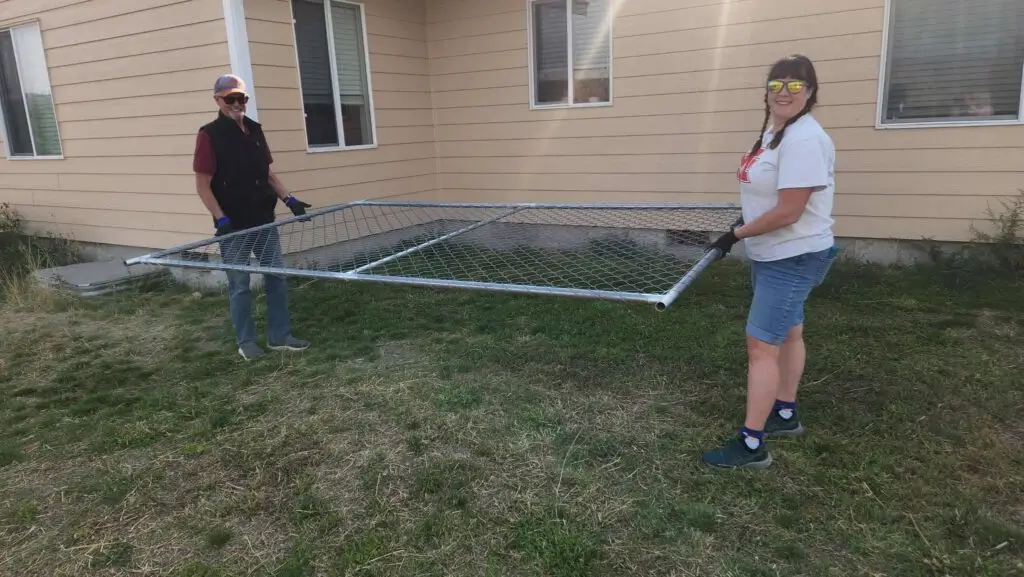
Instructions on
How to Build a Fence
Dog House Plans
Help Spread the Word
Know a family who might benefit from support? Download and share these flyers in your community. Leave one somewhere it might reach a family who needs a little extra help for their dog.
Outreach Quick Reference
Community Resource Flyer 1
Community Resource Flyer 2
Fences for Fido Merchandise
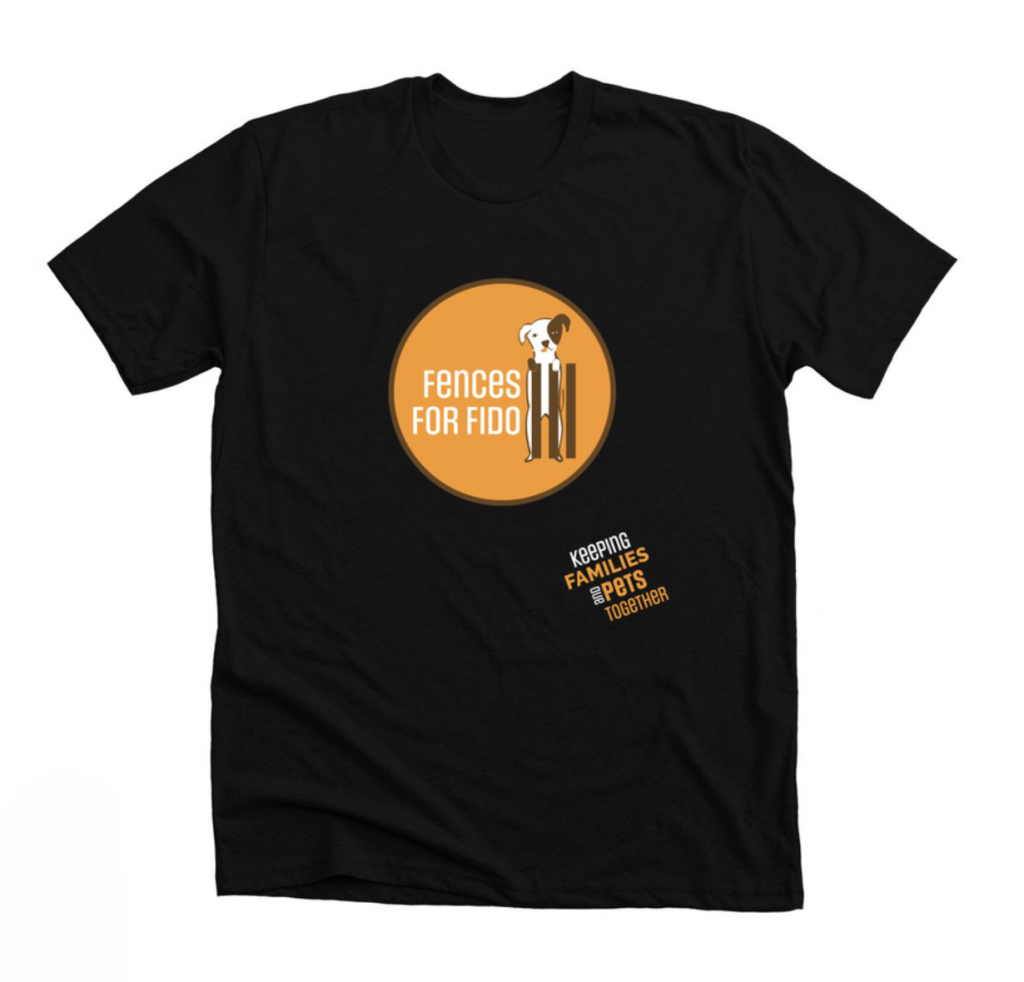
Show your support with Fences for Fido merchandise! Visit our online store to browse shirts, gear, and more.
Pacific Nortwest Pet Food Resources
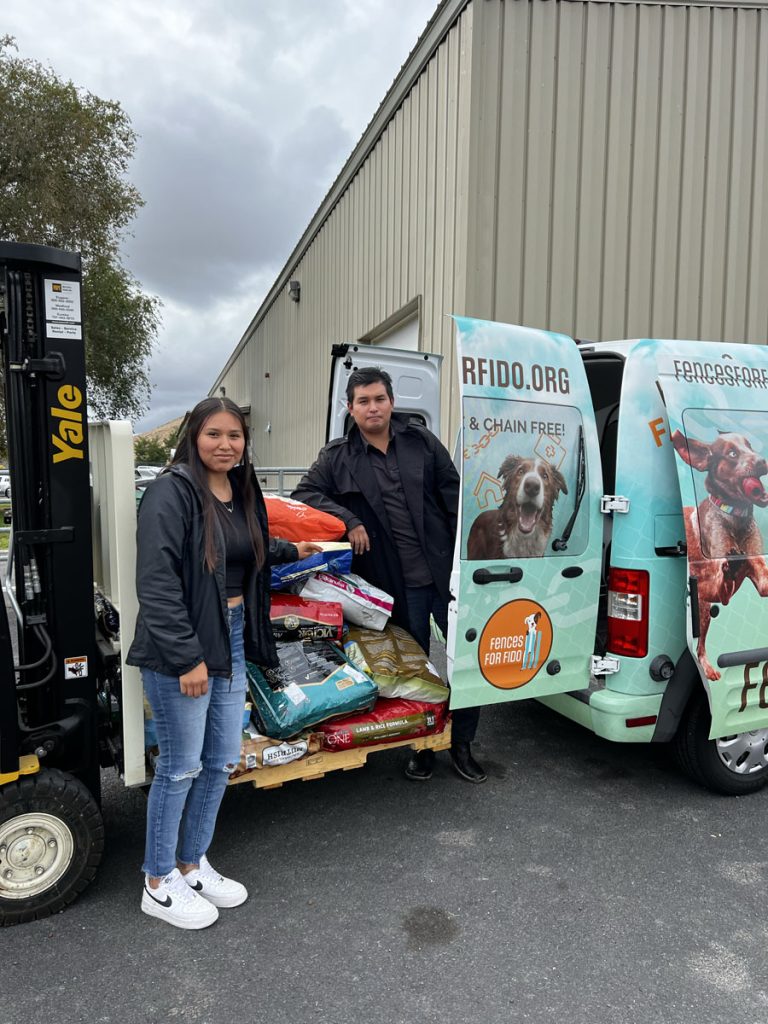
We’ve put together a list of all the Pet Food resources in the PNW. Download it or share with a friend.
Shelters For Outdoor Cats

While Fences For Fido focuses on helping dogs, our teams often see cats nearby, resting under porches or cars with little protection—especially in rural areas.
These shelters are affordable, easy to make, and can be dropped off at our storage locations for outreach teams to share with cats in need.
Frequently Asked Questions
What is Fences for Fido
Fences For Fido is the only unchaining organization in the Pacific Northwest. We provide free fences, warm shelter, veterinary care, and essential pet support to socially, financially, and geographically isolated communities—helping dogs live free, healthy lives with the families who love them.
We began in 2009 by building fences for dogs living on chains. Today, a fence is still often where our work begins, but it opens the door to a broader Circle of Care that can include spay/neuter and vaccinations, veterinary care, pet food, shelter, and other support.
Why is chaining dogs unsafe and isolating for a dog?
Dogs are social animals who need opportunities to move, explore, rest, play, and interact safely with the people and animals around them. When a dog spends long periods tethered, their world can become very small—and they may be unable to move away when they feel frightened, threatened, or overwhelmed.
A dog on a chain cannot choose to walk away. A tether can leave a dog vulnerable to extreme weather, entanglement, injury, strangulation, other animals, people, or wildlife. It can also prevent a dog from reaching food, water, or shelter.
Tethering can also increase isolation, frustration, and stress. A secure fence gives a dog room to move freely, choose where to rest, explore their surroundings, and retreat when they need a break.
For Fences For Fido, getting a dog off a chain isn’t about judging the family who loves them. It’s about creating a safer, healthier way for that dog to live.
Where did you get the idea for Fences For Fido?
Fences For Fido was inspired by the work of the Coalition to Unchain Dogs, now Beyond Fences, in North Carolina. They began their work a few years before us, and several of their founding members traveled to Oregon to help us build our very first fence.
Their example also inspired our Unchained Planet program, through which we mentor new unchaining groups around the country.
When Did Fences For Fido Start?
A group of Portland friends built our first fence on May 23, 2009. It was for Chopper, a yellow Labrador mix who had spent many years on a chain.
Chopper lived an unchained life for years before he passed away on December 31, 2013. He eventually spent much of his time indoors with his family.
Where does Fences For Fido work?
Fences For Fido is based in Portland, Oregon, and our work takes us throughout Oregon and Washington. We have core communities where we have established volunteer teams, community partnerships, and ongoing programs, including the Willamette Valley, Columbia Gorge, Central Oregon and Warm Springs, the Oregon Coast, and Southwest Washington.
But our work isn’t limited to those areas. We go where we’re needed and where we have the community connections and resources to help. That has taken us to communities including Pendleton and Klamath Falls, as well as many rural and geographically isolated areas across the region.
If you’re concerned about a dog outside our core service areas, please reach out. We’re always happy to learn more about the situation and see what might be possible.
How many dogs has Fences For Fido helped?
Over 17 years, Fences For Fido has helped more than 4,000 Fidos experience the freedom of a safe place to live, run, and play with their families.
Our work has grown beyond fences, too. Through our Circle of Care, we also provide veterinary care, spay/neuter and vaccinations, pet food, shelter, and other support when families need it.
How do you find dogs who need fences?
Some families contact us directly. Others are referred by neighbors, extended family members, friends, or other community members who are concerned about a dog.
We also work closely with animal welfare organizations, animal control agencies, humane societies, veterinarians, and other community partners who may refer families to us.
Why would someone chain their dog?
There are many reasons a dog may end up living on a chain or tether. A family may have grown up with chained dogs and not realize there are safer alternatives. They may have moved and not have the resources to build a fence, taken in a dog from someone else, or experienced a change in their circumstances.
Whatever the reason, Fences For Fido isn’t here to judge families. We’re here to understand the situation, help where we can, and create a safer, healthier way for the dog to live.
Do families have to financially qualify to receive a fence?
No. There are no income requirements, and we don’t ask families to provide financial information.
We consider the dog’s needs and living situation when deciding where we can help. Sometimes, access to a safe, secure fence is the barrier—not love.
If your Fido needs a safer place to live, please reach out. We’d love to learn more about your situation.
Will you reveal my name if I refer someone else's dog?
No. Most of our clients are low-income and cannot afford to build their own fence, but there are no income requirements. We build fences based on the dog’s needs rather than the family’s financial status.
What if a dog's situation seems so concerning that you think the dog should be removed from the home?
We take concerns about a dog’s health and safety seriously. At the same time, we’ve learned through years of doing this work that situations are not always what they appear to be from the outside.
Our goal is to understand the dog, the family, and the circumstances and determine what support may help. A fence is often just the beginning. Depending on the situation, our Circle of Care may also include spay/neuter, flea and tick prevention, veterinary care, pet food, shelter, or guidance when a family determines they can no longer care for their dog.
Families love their dogs. Sometimes they just need support—and certainly not judgment.
Is it better for a dog to live inside with the family?
Ideally, dogs have regular opportunities to be with the people they love. Dogs form strong social bonds with their families, and being included in family life is an important part of their well-being.
But every family and every dog is different. Some families aren’t able or willing to have their dog inside, and our job isn’t to judge them or demand a particular outcome.
When a dog moves from a chain or small enclosure into a secure fenced yard, we often see meaningful changes. The dog has room to move, play, rest, and explore, and the family can spend time with the dog safely. Some families begin bringing their dogs inside more often. Others spend more time together outside. Some work with a trainer to address behavior concerns that have made indoor life difficult.
We may not always see the ideal situation, but we can often help make the situation significantly better—for the dog and for the family who loves them.
Does my dog have to be spayed or neutered to receive a fence?
Yes. Every dog who receives a Fences For Fido fence must be spayed or neutered.
If your dog hasn’t yet been spayed or neutered, that’s okay—we can help. Spay/neuter is part of our Circle of Care, and we provide this care at no cost to families receiving a fence.
We know every family and every Fido is different. If you have questions about spay/neuter, please don’t let that stop you from reaching out. We’re happy to talk with you about what’s needed.
What else does Fences For Fido provide besides fences?
A fence is just the beginning.
Our Circle of Care can include warm dog houses and shade structures, spay/neuter and vaccinations, veterinary care, pet food, wellness clinics, and other support that helps dogs live healthy lives with the families who love them.
Support
How much does it cost to build a fence?
On average, $1,000. That includes the fence and insulated dog house. We also provide a spay or neuter surgery when needed, and the costs vary by location.
How do you get the money for this?
This work is completely supported by the generosity of people like you and others who care. We survive on the donations of money, materials, labor, and the occasional grant. We can only do as much for the dogs in need as the available money, materials and labor permits. And there is never enough!
Are donations tax-deductible?
What supplies and donations do you need?
Money, of course! We get small bulk discounts on materials, so usually our supplies are purchased for less than retail costs. Because we use a specific type of chain link panel fencing and our doghouses are custom built from our own design, we are generally unable to accept donations of construction materials or doghouses.
Please contact us at info@fencesforfido.org with questions.
Does Fences For Fido have any paid staff?
Yes. As of 2017, our organization had grown too large to be managed solely by volunteers. We have a couple of part-time independent contractors who help with specific tasks such as bookkeeping. In 2023 we hired our first-ever executive director and we have two part-time employees.
Can I donate a used dog house?
Sorry, we can’t accept used dog houses. Most of our dog houses are now constructed by a youth program, and they’re made in a modular style so they’re easy to store, transport, and assembly on-site at our builds.
We encourage people to reach out and find local dogs who can make good use of a donated dog house. You might find Freecycle or Buy Nothing groups on Facebook are good places to offer up a dog house to families in need.